Non-Surgical/ Med Spa
Body

Breast
Face

Male
Hand/Reconstruction
5 Reconstructive Techniques Used in Burn and Trauma Recovery
- Thursday, 15 January 2026 00:14
- Kim
- 0 Comments
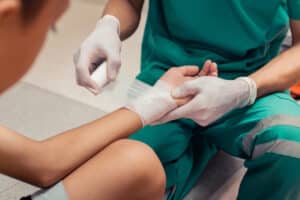 If you’re recovering from a burn or traumatic injury, understanding your reconstruction options can make the process feel more manageable. At Keystone Cosmetic Surgery Center, double board-certified plastic surgeon Dr. Robert Kimmel brings more than 20 years of reconstructive experience to patients throughout Pottsville and Hazleton, PA. His expertise helps guide you toward the safest, most effective approach based on your injury, your goals, and your long-term functional needs.
Below are five of the most commonly used reconstructive methods and what each one may offer during your healing journey.
1. Skin Grafts
Skin grafting is one of the most traditional and widely used techniques in burn and trauma reconstruction. A thin layer of healthy skin is taken from another part of your body and placed onto the injured area. This method helps close wounds, protect underlying tissues, and support healing. Skin grafts are often used when the injured area doesn’t have enough healthy tissue to heal on its own.
2. Local Tissue Flaps
Local flaps use nearby skin and tissue to cover the injured area while maintaining their own blood supply. Because the tissue remains partially attached, these flaps tend to heal well and provide durable coverage. They are ideal for injuries where deeper structures, such as tendons or bones, need protection.
3. Regional or Free Flaps
For more extensive injuries, Dr. Kimmel may recommend flap reconstruction using tissue from another part of your body. Free flaps involve completely transferring tissue—along with its blood vessels—to a new location. This technique produces highly natural results and is especially useful when local tissue is insufficient.
4. Tissue Expansion
Tissue expansion helps your body grow new skin that matches the color and texture of your existing skin. A temporary device is placed under the skin near the injured area and gradually expanded over time. Once enough new skin has formed, it can be used to replace damaged tissue. This approach is often chosen when the goal is both functional repair and improved cosmetic appearance.
5. Scar Revision Procedures
After initial healing, scars may restrict movement or affect appearance. Scar revision techniques—such as surgical release, dermabrasion, or laser therapy—can soften, flatten, or reposition scars to improve function and aesthetics. These procedures are often part of long-term burn or trauma rehabilitation.
Take the Next Step in Your Recovery
Reconstruction after trauma or burns is a deeply personal process, and choosing the right approach starts with the guidance of an experienced surgeon. Dr. Kimmel provides individualized care to help restore both form and function while supporting your long-term healing. To schedule your consultation, call our Pottsville office at 570.622.2900 or our Hazleton office at 570.455.4252.