Non-Surgical/ Med Spa
Body
Breast
Face
Male
Hand/Reconstruction
Category Archives: Botox
What Happens at Your First Botox Appointment?
- Tuesday, 15 December 2020 08:12
- Dr. Robert M. Kimmel
- 0 Comments
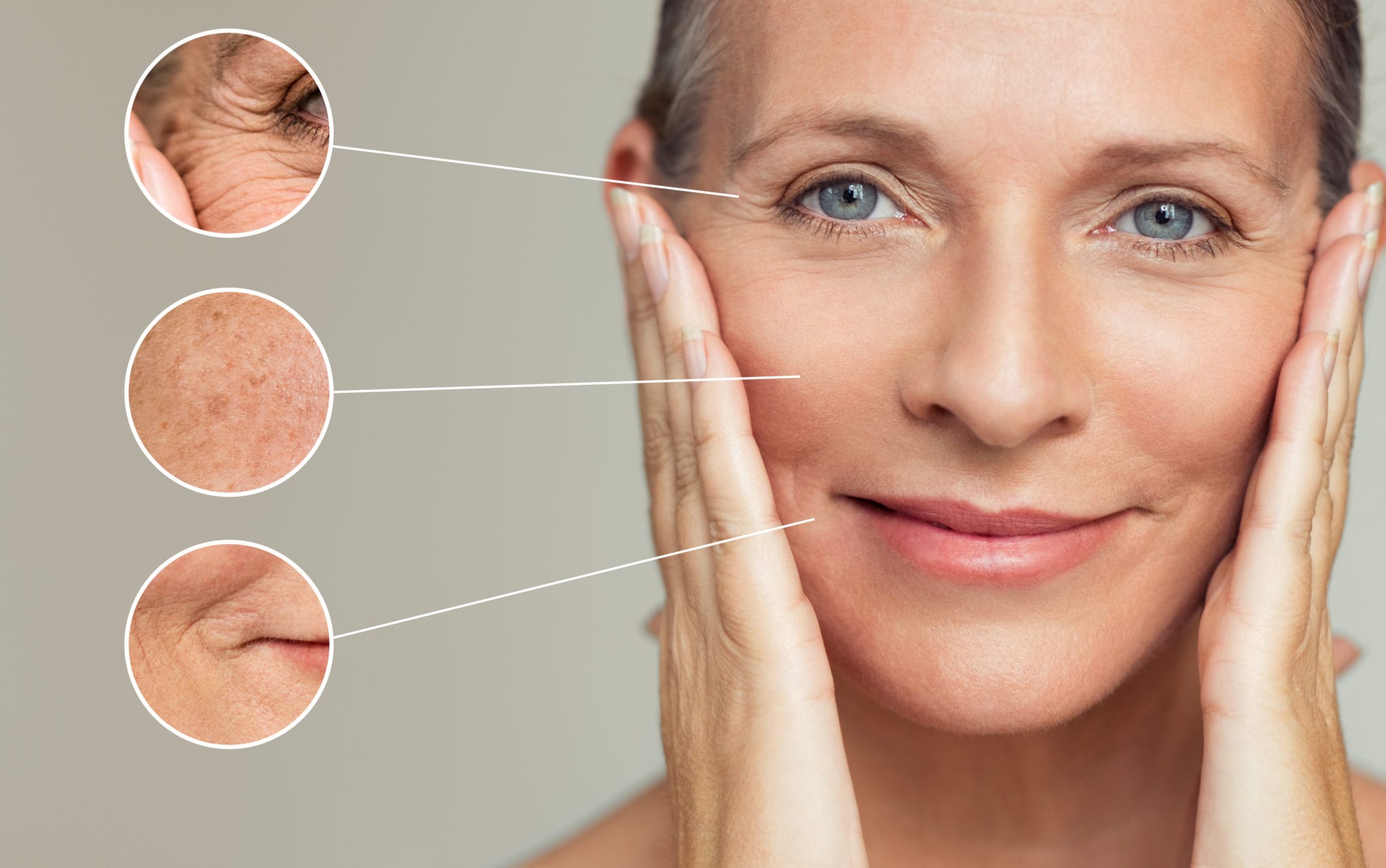 Botox Cosmetic has been around for well over a decade. Millions of treatments have been performed by this time. And yet, we must remember that there are people who are new to injectables. If you are thinking about getting Botox to reduce the signs of aging on your face or neck, we imagine you would like to know what to expect when you arrive at the office. Here, we walk you through the process of getting Botox for the first time.
Why Botox?
When people become concerned about lines and creases becoming obvious, they often think of Botox as the ideal solution. This is because this FDA-approved drug is pretty much a household name at this point. The first thing to recognize is what it is used for. Botox treatment can help you if you have frown lines, crow’s feet, forehead lines, a lowered brow line, or horizontal lines on your neck. These are the most common uses of Botox.
Your Consultation
Your first Botox treatment does not begin with injections, it begins with a conversation. Injectable treatments like Botox and dermal fillers are customized to each individual. So, before we can plan your treatment, we need to know a few things. We need to know what you want to accomplish, first, and we need to assess where you’re at. A brief look at your skin can give us the information we need to know to plan the right treatment for you. Sometimes, dermal fillers are a better approach. Sometimes, a combination that includes Botox and dermal fillers is best. Your provider will explain their recommendation and answer any questions you have.
Treatment
Botox injections can be given right after your consultation. Your provider will cleanse the skin in the area where injections will be given and will then use a small needle to administer treatment. No anesthetic is needed for injectable treatments. The needle is so small that you should feel only a minor pinch. You don’t feel the liquid entering the skin or getting absorbed. The entire process usually takes 15 minutes or less.
Recovery and Results
Being new to injectable treatment, you may want to plan to go home after your appointment. The side effects of Botox are typically limited to minor swelling and pinpoint redness. These fade very quickly. This is why injectables are thought-of as lunchtime treatments. Once you know how your body responds to treatment, you can schedule future visits as they suit you. Some people who get Botox notice a mild headache that lasts a few hours. Some feel a little achy like they would if they had the flu. These are normal side effects, though less common.
Your rejuvenating results appear gradually after your Botox treatment. In about one week, you should see the peak effects of your wrinkle-reduction. From there, these effects will gradually fade after 3 to 6 months. You may schedule touch-ups as often as every 12 weeks.
Schedule your Botox consultation now! Call our Hazleton or Pottsville office.
I’m Not Angry, That’s Just My Face!
- Saturday, 15 December 2018 21:12
- Dr. Robert M. Kimmel
- 0 Comments
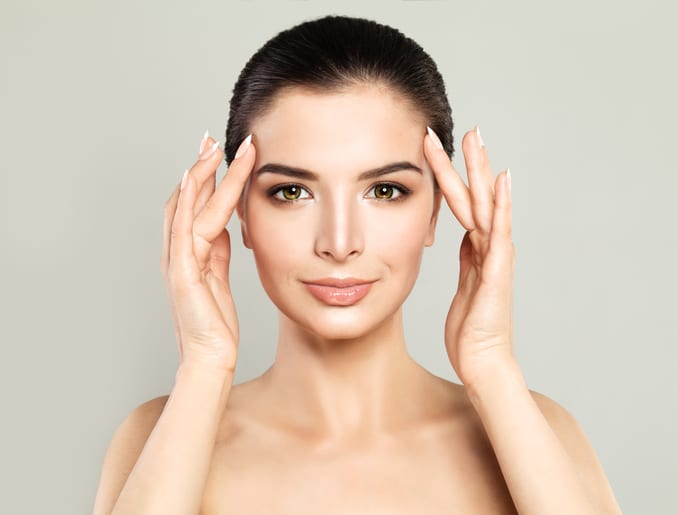 If you’ve never had to explain your neutral facial expression, you can count yourself as one of the lucky ones. In recent years, a common term has been developed to describe certain facial characteristics: “resting bitch face.” As many jokes that have been made about the face that looks angry or unfriendly, this can be a real problem in a society that places a great deal of value on looking happy and approachable.
The Science of Facial Analysis
Numerous studies have been conducted to observe how humans perceive one another based on appearance. You may be able to look through your own life and recognize all the times you’ve based an immediate perception of another person on appearance alone. What research has suggested is that certain character traits are associated with facial characteristics. For example:
- A person with thin lips is thought to be stern, strict, or mean.
- A downturned mouth is a type of scowl, making a person appear harsh, unfriendly, and unapproachable.
- Closed-off, squinty eyes create the impression of boredom, disinterest, fatigue.
- Frown lines make a person appear angry and stern.
- Flat eyebrows give the impression of fatigue and stress.
- Eyebrows that slant toward the center make a person seem judgmental.
- Eyebrows that slant toward the side of the face make a person seem sad or worried.
The Science of Facial Expression
Researchers have discovered some interesting interplay between facial movements and the way a person may feel. We inherently assume that emotions show on the face; when you’re angry, you frown or purse your lips. What studies have found is that, when people routinely make certain facial expressions, such as frowning to see their computer screen, their emotions eventually follow that expression. Basically, you are less likely to feel happy emotions if your face if perpetually turned downward.
As you may know, the face takes a sharp decline with age; it will naturally start to turn downward, causing an angry, unfriendly appearance in many people. Here in our offices near Philadelphia, we have come to realize that it isn’t necessarily the desire for a younger-looking face that leads people to seek surgical or non-surgical facial rejuvenation, it is a longing to have their outward appearance match their inner emotional state.
Your face should reflect how you feel on the inside. For help turning your frown upside down, schedule a visit with our Hazleton or Pottsville team.
BOTOX Misconceptions to Toss Aside Now
- Saturday, 15 September 2018 07:02
- Dr. Robert M. Kimmel
- 0 Comments
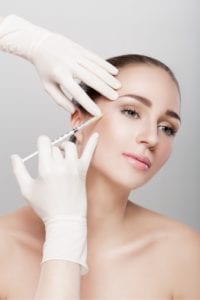 For the past several years, BOTOX injections have topped the list of most popular minimally-invasive cosmetic procedures. This convenient treatment smooths wrinkles and is also commonly used to prevent the onset of new lines and creases, thus slowing down the aging process – all by introducing a minute amount of purified botulinum toxin into specific facial muscles. Though BOTOX has a stellar track record, there is still quite a bit of misunderstanding associated with this treatment.
At Keystone Cosmetic Surgery Center near Philadelphia, we recognize the value that BOTOX offers men and women struggling with the signs of aging. We’ve got years of history with this injectable product and have seen firsthand what it’s capable of. Here, we want to point out a few of the common misconceptions we hear about BOTOX, so you don’t avoid treatment based on misinformation.
BOTOX is dangerous.
The idea that BOTOX can make you sick stems from the base ingredient in this product: botulinum toxin. The thing is, for botulinum toxin to create an adverse reaction, you’d need to be exposed to quite a bit of it. Also, you’d need to be exposed to the type of botulinum toxin that could make you sick. There are several strains of the neurotoxin, all of which have been studied by Harvard researchers. BOTOX is made from botulinum toxin A, a strain that binds to nerve receptors to lessen the intensity of muscle contractions without a need for high dosing. This neurotoxin has been used clinically as well as cosmetically and, when administered by a trained professional, has sustained excellent outcomes.
BOTOX will freeze your face.
This is a funny joke that has been parodied in movies and comedy sketches and always gets a good laugh. However, to imagine your face frozen in a surprised expression isn’t very funny at all. BOTOX decreases muscle activity, but it will not interrupt your expressive ability. When the drug is injected into particular muscles, such as those on the forehead between the brows, the nerve endings in those muscles are blocked from receiving nerve impulses from the brain. Without impulses, the muscles relax and allow the skin to smooth (goodbye, frown lines!).
If you want to look refreshed but don’t want to lose your expressiveness, schedule your BOTOX treatments with an experienced injector. We would be happy to speak with you about our history of BOTOX use. Contact an office near you today.
Get Ready, Get Set, Get A Botox Treatment This Fall!
- Friday, 30 September 2016 07:10
- Dr. Robert M. Kimmel
- 0 Comments
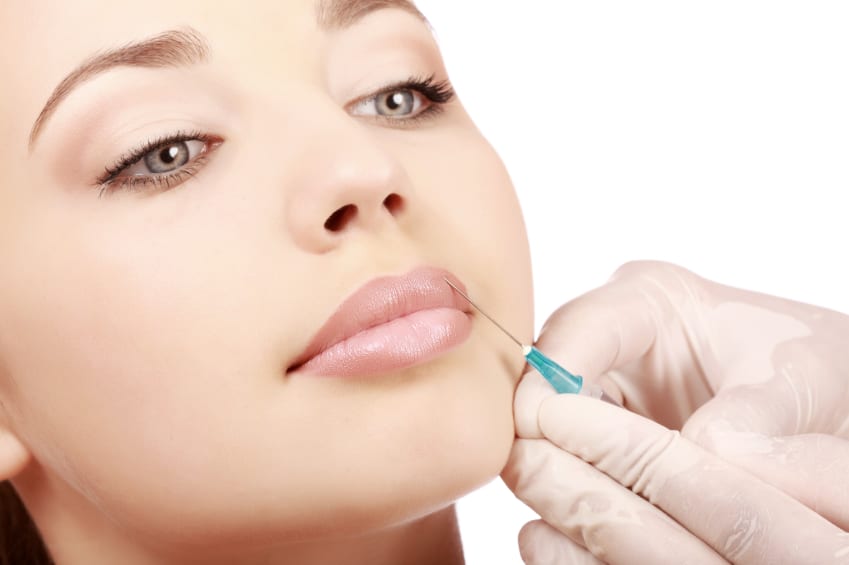 Yes, there is a perfect, easy, and safe way to diminish the appearance of lines and wrinkles associated with the relentless march of time. You know of it, have heard about and read about it…it’s Botox® is the most popular aesthetic injectable treatment in the world.
•It’s important keep in mind that Botox® is a purified form of botulinum toxin A, which means there’s no botulism risk when used properly.
•Botox® blocks the nerves that contract your facial muscles, softening the appearance of lines and wrinkles. It’s most effective on wrinkles that haven’t quite set. These are called dynamic wrinkles, and they appear while you move the muscles of your face when you smile and frown.
•Botox® non-surgically treats the lines and wrinkles in your forehead area and around your nose and mouth. It can lift your brow making you look younger, less tired and less stressed.
•A good rule-of-thumb for a Botox® treatment is “less is more.”
•Botox® can also decrease excessive sweating, a use you may not have heard about. Excess underarm sweating can be an embarrassing problem for some people, and a simple Botox® treatment can lessen the amount of sweat produced.
Some additional Botox® information:
•If you’re breastfeeding, pregnant, or plan to become pregnant, the FDA recommends that you wait before opting for Botox® treatments.
•If you take aspirin or ibuprofen, be sure to tell us before you schedule a treatment. These medications thin the blood and may increase bleeding. Some natural supplements, such as fish oil, gingko, or vitamin E, also thin the blood. We may ask you not to use those supplements for two weeks before your treatment.
•Have you been invited to attend a “Botox® Party”? If so, that is not the time to try Botox®. These injections should only be done by a doctor who is board-certified in dermatology or plastic surgery.
The take away – If your friends have tried Botox® and are encouraging you to try it as well, call to schedule a consultation appointment. Fall is the perfect time to begin thinking about upcoming holiday events and parties.
What If I Can’t Have a Facelift?
- Friday, 25 April 2014 07:22
- e6updates
- 0 Comments
There’s no denying how wonderful your skin can appear naturally refreshed and rejuvenated after a facelift procedure here at our Hazleton plastic surgery practice. However, there are some cases wherein a face lift may not be the best option for some patients such as those with existing chronic medical conditions (the likes of diabetes and high blood pressure).
We have even encountered patients who simply can’t have a major surgical procedure due to history of extreme sensitivity to anesthesia, pain medications, or antibiotics. In some cases, there are patients looking for other options apart from a face lift because either they can’t afford the costs at present or do not have the luxury of longer recovery times.
If you find yourself in either of the patients’ shoes mentioned above, Dr. Kimmel offers other face lift alternatives at the Keystone Surgery Center that are still geared towards helping you achieve and maintain that naturally youthful look. So what are these alternatives? Read on below!
Botox
Botox is the most popular non-surgical cosmetic procedure to date and is effective in reducing the appearance of crow’s feet (wrinkles around the eye area) and the horizontal creases in one’s forehead (also known as frown lines). This popular injectable works by controlling or reducing muscle contractions underneath the skin which in turn results to the appearance of wrinkles.
The procedure itself is quick and can last between 15 to 30 minutes and results will be immediately noticeable within the first few days following the injection. Results can last between 3 to 6 months and repeated injections may be necessary to maintain the effects.
Dermal Fillers
Alongside Botox, dermal fillers are becoming increasingly popular as an alternative to improving facial skin that has been ravaged with aging — from adding volume to sunken cheeks and thinning lips to filling in deep lines, wrinkles, and creases. There are wide variety of dermal fillers out there, targeting specific aging problems. Like Botox, fillers are injected into the targeted areas and results may be noticeable within 1 to 2 weeks following the procedure.
You can actually choose to have Botox and a dermal filler at the same time, depending on the outcomes you want to achieve. If you’d like to learn how these non-surgical alternatives can help you look younger and refreshed, an initial consultation with Dr. Kimmel should be in order!
Call us at (570)622-2900 or fill out this contact form to schedule an initial consultation today. We look forward to your visit!