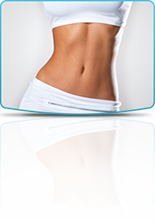
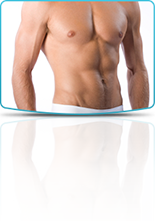
 If you’ve been trying to hide bulges beneath jackets, tunics, or Spanx (or all of these and more), the idea of liposuction may have entered your mind. Sometimes, it becomes too frustrating to try and disguise prominent flesh. This is the best time to explore the differences between liposuction and non-surgical fat-reducing procedures like Liposonix.
The fact of the matter is that both of these procedures exist because they have something to offer. What we want to help you determine is which one offers the most value for you.
Also known as liposculpture, the liposuction procedure emulsifies fat cells in a target area and then extracts them with gentle suction. The process of removal is aided by the anesthetic-containing tumescent fluid that is introduced to subcutaneous tissue before the liposuction procedure. Because fat cells are “treated” before extraction, the surgery can be performed through tiny incisions, reducing concerns related to scarring.
This non-surgical, non-invasive procedure is performed in the office without the need for sedation or anesthesia. Liposonix prompts the natural elimination of fat cells by targeting them with high intensity focused ultrasound (HIFU). Clinical trials have demonstrated efficiency equating to inches lost after a single treatment.
Liposuction is one of the leading cosmetic surgery procedures and has been for a long time, due to advantages such as:
Liposonix is a popular non-surgical treatment for unwanted fat thanks to advantages such as:
Neither liposuction nor Liposonix is intended for weight loss. These procedures are categorized as body-contouring treatments, which means they are ideal for creating a better silhouette. With healthy lifestyle habits, the results from either treatment can last years.
Would you like to compare liposuction to Liposonix? Schedule a consultation in our Pottsville or Hazleton office to get the full details on our various techniques.
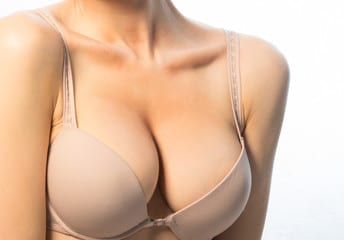 There are no procedures at this time that outnumber those that enhance the appearance of the breasts. When you think of this, the procedure that may first come to mind is breast augmentation. Yes, there are benefits to enlargement with breast implants. Any woman who has had this procedure will tell you what they are. But there is another breast procedure that also deserves some air time: breast reduction.
Just as there are general benefits to making any part of the body more attractive and shapely, there are also unique benefits to various procedures. Breast reduction is no exception. Women who undergo this method of body-contouring are treated to . . .
The confidence a woman gains after breast reduction is not newly developed, it was always inside of her. The smaller size of her breasts just lets her confidence shine. Here’s one way this can happen: the size of the breasts no longer overshadows every other aspect of physical appearance or character traits. A woman with large breasts often feels as though she has to grin and bear it as another sneers at, stares at, or jokes about her physique. Removing this obstacle (over which she had no control) empowers a woman to be known for who she really is, not for her shape. Now that’s confidence!
Ok, so breast reduction probably won’t lead a woman to entirely change the way she dresses – at least not as it pertains to the price of her clothing. Some women do actually change their entire style. This isn’t because her preference has changed, though; it’s because her body can now fit into the types of clothing she always wanted to wear. Tank tops and bikinis may no longer feel intimidating and may actually be appealing and comfortable.
Having large breasts does not make a woman unhealthy. What may inhibit optimal well-being is the lack of motivation a large-breasted woman has regarding physical fitness. Whether there might be an interest in yoga, weight training, or aerobics, the discomfort of hard-to-support breasts may be a huge obstacle – an obstacle overcome for good with breast reduction.
If you are near Pottsville or Hazleton, we invite you to schedule a consultation with cosmetic surgeon Dr. Kimmel to discuss what is possible for you.
 Getting up close and personal is something that most of us want to do. Self-consciousness about appearance can stand in the way of how we relate to others on a day to day basis. If the signs of aging have become a frustration that you notice every time you look in the mirror, we should talk. There are several ways to minimize concerns like fine lines and wrinkles, but the surgical facelift has always been the gold standard, and probably always will be. Here’s why . . .
While we can plump the cheeks with fillers or stem cells, and reduce wrinkles with other injectables, a surgical facelift addresses multiple concerns in a single session. Here, we will look at a few notable concerns that can be corrected during the facelift procedure.
Jowls
Jowls. Those drooping sacks of tissue at the side of the jaw line. Once the skin starts to sag in this area, it can be hard to ignore. The correction of sagging jowls is actually one of the primary advantages of the surgical facelift. During the procedure, the ligament around which volume has accumulated is temporarily released so that the excess can be lifted, draped appropriately to renew the strong angle of the jaw.
Chin
When gravity starts to have more pull on weakened facial muscles and tissue, it all seems to go South. This includes the area beneath the chin. The double-chin is one of the common concerns that men and women express when they visit our office. While there are non-surgical treatments that may reduce the amount of fat in this crease between the chin and the neck, one must remember that fat-reduction is not the end of the story. There is also loose skin to consider, which we do in the surgical facelift.
Cheeks
The volume that is gained in the lower face is that which is lost in the roundness of the cheeks. To restore fullness, we may incorporate fat injections with the redraping of the superficial muscles across the mid-face. In so doing, support and volume are restored.
Refresh your facial aesthetic with help from your Pennsylvania plastic surgeon. Our offices in Hazleton and Pottsville conveniently serve patients from surrounding areas.
 The midsection can pose a significant problem when it doesn’t get into shape no matter how hard you try. Contouring is a vital aspect of looking as physically fit as you feel. The body doesn’t always agree, though, especially when fatty deposits have accumulated across the abdomen. In such an instance, the way to restore the taut tummy you once had is not with crunches, but with a tummy tuck.
Eating healthy can help you get to the overall weight that you’d like to maintain with your good eating habits. Exercise can also do your body good, but that doesn’t mean that hundreds of crunches and other core work can bring separated muscles back together. To do away with loose, sagging tissue and skin takes a surgeon’s touch. Then, it’s crunch time, but maybe not in the way you think!
Getting to it
Often, a person makes the decision to consider abdominoplasty after his or her exercise efforts have not paid off. Working so hard to bring out the best in your body can lead to a sort of dependence on exercise that can be difficult to resist after your tummy tuck. This is when the going may get tough. Working out is not the first order of business after abdominoplasty. In fact, it doesn’t really get to be what it once was for some time.
Sculpting and stitching the abdominal wall means that tissues need a full recovery before they can manage the strain of targeted exercises like crunches. In fact, any type of exercise that requires a tightened core may be off limits until the muscles have reached 100% functional use. This may be several months.
Until that time
The abdominal muscles heal approximately 60% in the first six weeks after surgery. That leaves a pretty substantial gap, though, and while you may be feeling a lot more like your old self, your re-entry into the workout world may need to wait a bit. Walking is a great activity to engage in until that time. As you feel able, you may also start light weight training, just be careful not to strain your core during any of your exercises.
Patients of Keystone Cosmetic Surgery Center receive one-on-one support from a friendly and experienced staff. If you have questions about any aspect of the abdominoplasty process, give us a call.
 When it comes to getting plastic or cosmetic surgery done, there is a false— but common— misconception that it is only for women. However, although many men may think they are perfect, the majority of them have a few physical flaws that they would like to have reconstructed or changed. Luckily, Dr. Robert Kimmel at Keystone Cosmetic Surgery Center specializes in not only cosmetic procedures for females, but for males too. From an abdominoplasty to liposuction, this article will discuss just a few of the procedures that are popular among our male patients. Read on to learn more.
Abdominoplasty
An abdominoplasty, or tummy tuck, is a surgical procedure that is used in order to get rid of excess skin and fat around the abdominal region. Usually combined with liposuction, an abdominoplasty will help to give you more of that manly, chiseled look you are going for. Additionally, the great thing about a tummy tuck is that it is also helpful for men who have recently lost a lot of weight and have excess skin that needs to be removed.
Gynecomastia
Gynecomastia is a surgical procedure that is used to get rid of excess fat and tissue that reside on a man’s breasts. Sometimes, either due to weight gain/loss or the excessive use of steroids, men grow breast tissue which can make them look and feel a bit more feminine that they desire. Luckily, Dr. Robert Kimmel can remove that excess tissue and fat in order to significantly reduce the appearance of male breasts and hel pyou to gain your confidence back once again.
Liposuction
Just like most cosmetic procedures, liposuction is typically associated with a more female audience. But, you guessed it, Dr. Robert Kimmel also offers liposuction for males as well. If you have been spending way too much time at the gym and have been dieting like a fool but you still can’t get rid of certain areas of fat, then you should consider liposuction. As a great way to get rid of stubborn fat around the abdomen, legs, and arms, liposuction involves surgically scraping away fat and vacuuming it up with a surgical device.
If you are a male who would like to make some cosmetic changes or alterations to your body, contact Dr. Robert Kimmel at Keystone Cosmetic Surgery Center today to set up a consultation.
 It seems that most anti-aging cosmetic procedures focus on the face…the fine lines, wrinkles, dry skin, acne, blotches, and those aging-revealing sun spots. Putting your best face forward is one of the things we are best at helping you do and we offer many amazing procedures and treatments to that end. But you may be surprised to learn that your hands can actually betray your age as well.
At, Keystone Cosmetic Surgery, we regularly advise our clients to not only care for their facial skin but to take the time to care for their hands – because sometimes no matter what you do to make your overall appearance look younger, your hands can and often do, give away your age.
Continue reading to learn 5 tips for caring for your hands:
Let us be your go-to cosmetic procedure center if you are noticing the obvious signs of aging in your hands. We invite you to call and schedule an appointment. We look forward to meeting you.
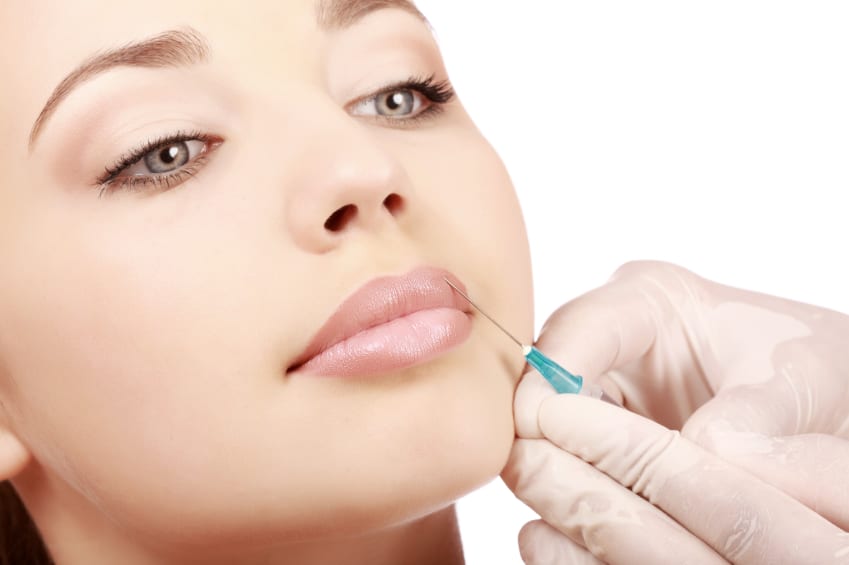 Yes, there is a perfect, easy, and safe way to diminish the appearance of lines and wrinkles associated with the relentless march of time. You know of it, have heard about and read about it…it’s Botox® is the most popular aesthetic injectable treatment in the world.
•It’s important keep in mind that Botox® is a purified form of botulinum toxin A, which means there’s no botulism risk when used properly.
•Botox® blocks the nerves that contract your facial muscles, softening the appearance of lines and wrinkles. It’s most effective on wrinkles that haven’t quite set. These are called dynamic wrinkles, and they appear while you move the muscles of your face when you smile and frown.
•Botox® non-surgically treats the lines and wrinkles in your forehead area and around your nose and mouth. It can lift your brow making you look younger, less tired and less stressed.
•A good rule-of-thumb for a Botox® treatment is “less is more.”
•Botox® can also decrease excessive sweating, a use you may not have heard about. Excess underarm sweating can be an embarrassing problem for some people, and a simple Botox® treatment can lessen the amount of sweat produced.
Some additional Botox® information:
•If you’re breastfeeding, pregnant, or plan to become pregnant, the FDA recommends that you wait before opting for Botox® treatments.
•If you take aspirin or ibuprofen, be sure to tell us before you schedule a treatment. These medications thin the blood and may increase bleeding. Some natural supplements, such as fish oil, gingko, or vitamin E, also thin the blood. We may ask you not to use those supplements for two weeks before your treatment.
•Have you been invited to attend a “Botox® Party”? If so, that is not the time to try Botox®. These injections should only be done by a doctor who is board-certified in dermatology or plastic surgery.
The take away – If your friends have tried Botox® and are encouraging you to try it as well, call to schedule a consultation appointment. Fall is the perfect time to begin thinking about upcoming holiday events and parties.

 Aging and the ubiquitous, disheartening visible signs that accompany it seem to be inevitable. You can’t escape growing older, but there are some things that you can do to ease the process and rejuvenate your facial skin. The perfect treatment for shallow and deep facial folds, lines and wrinkles is the FDA-approved injectable Sculptra Aesthetic.
Sculptra helps gradually replace lost collagen – one of the foremost causes of visible aging. Would you like to know more? Read on:
Sculptra is an injectable, however, not all injectables are created the same. Each is formulated differently, each targets different areas, each produces different results. What makes Sculptra unique is that it contains a synthetic material called poly-L-lactic acid, which is a bio-compatible, bio-degradable substance that is naturally and gradually absorbed by the body to help rebuild lost collagen.
•Injectable fillers are either gels or liquids that help reduce fine lines by pushing the dermis space up beneath existing lines, wrinkles and creases. Results appear immediately and can last up to several months.
•Toxins minimize fine lines by temporarily weakening facial muscles, typically in the forehead and near the eyes. Results appear within a few days and can last several months.
•Collagen creams purport to deliver absorbable collagen. However, collagen molecules are too large to penetrate the skin. In truth, collagen creams include vitamins and hold moisture, which makes them suitable moisturizers that can briefly improve the skin’s appearance.
•Collagen stimulators can diminish facial wrinkles by helping to restore the deep, underlying structure of the skin. Results appear gradually over multiple injections – usually three injections space three months apart. Results can last up to two years.
As collagen stimulator, Sculptra is different. It works deep within the dermis, rather than topically. As Sculptra’s micro-particles are absorbed, they work to stimulate collagen production. The rebuilt collagen strands then gradually begin to help restore your facial structure and volume and create fullness to existing wrinkles and folds.
Fall is the perfect time for a Sculptra Aesthetic treatment. Call to schedule an appointment with Dr. Kimmel, today.

 Stretch marks. Blah. Definitely a summer downer. If you have them, take heart, you are not alone. But you may not know much about them.
Stretch marks appear because of the force of stretching upon your skin. They are a form of scarring that is usually associated with rapid weight gain, such as during pregnancy. They may also occur as a result of rapid growth during puberty or muscle building and weight lifting. Stretch marks can be found anywhere on your body, but they’re most common on your stomach, breasts, upper arms, thighs, and buttocks. Stretch marks aren’t dangerous, and they often disappear over time, but they are unsightly.
The severity of stretch marks is affected by several factors, including your genetic history, the degree of stress on your skin and your cortisone level. Cortisone is a hormone produced by your adrenal glands; it weakens the elastic fibers in your skin.
Stretch marks typically appear as parallel lines on your skin. They are of a different texture and color than your normal skin – ranging from almost a transparent, silvery light grey to bright pink to purple. Stretch marks don’t all look alike, and may vary depending on how long you’ve had them, what caused them, where they are on your body, and the type of skin you have. When you touch stretch marks, you might feel a slight ridge or indentation on your skin. Occasionally, stretch marks feel painful or they may itch. Your likelihood of getting stretch marks may be increased by:
There is help for stretch marks…they can be effectively treated with laser treatments and micro-needling. If you would like to know more about treating your stretch marks, call to schedule a consultation appointment, today. Summer is here…it’s the perfect time to beautify your body!
 Although not as common as other cosmetic surgeries, a chin implant (augmentation) is the perfect option for men and women who feel their chin is small, receding, poorly shaped or does not fit well with their facial shape. This unique surgery can add proportion and balance to the chin. Chin augmentation is accomplished with implants which increase the size or modify the shape of your chin.
If you are curious about chin implants, here are a few interesting facts to consider:
If you think you would be a good candidate for chin augmentation surgery, call to request a consultation or contact us online. We are eager to hear from you! Call to schedule a consultation appointment, today.
 Spring is just around the corner and it’s time to begin thinking about how you will keep your skin soft, flexible and firm for the sunny days of summer that lie ahead. Two proteins that exist in your body, Collagen and Elastin, play a very important role in keeping your skin lovely. You may have heard of them or read about them and may have wondered what they are.
Collagen is found in your hair, nails, skin, tendons, muscles and other parts of your body. It is abundant and an important component of your body’s connective tissue. Collagen helps your skin stay smooth and firm. It also aids in the formation of new skin cells and keeps harmful toxins at bay.
Elastin keeps your skin younger looking by keeping it flexible and elastic – which helps counter the effects of gravity. There is less elastin in your body than collagen, but they work together to keep your skin looking young.
Getting older means that your body has less and less of these critical proteins. As a result, your skin becomes thin, loose and saggy. It also damages more easily and is more susceptible to the effects of gravity. Fine lines and wrinkles appear, and maybe the appearance of jowls or a double chin. It’s impossible to completely prevent the effects of aging, but there are some things you can do to protect the collagen and elastin in your body and keep your skin looking young for as long as possible.
• Avoid UV and UVB sun damage
• Eat a balanced diet
• Stop smoking
• Replenish your lost collagen – We offer collagen injections and implants along with the most popular dermal fillers, such as Juvederm® and Belotero®, which contain substances that restore lost volume to your face and smooth your skin. Other fillers, such as Radiesse®, stimulate your body’s production of collagen, for natural, and long-lasting results.
Call to book an appointment, today, and let us tell you more about the many anti-aging treatments available at Keystone Cosmetic Surgery.

There are many cosmetic and surgical procedures that are appropriate for men. These procedures may increase their self-confidence and self-esteem. For men living with the embarrassing and feminizing condition commonly called “man boobs” or gynecomastia, having intimate relationships or participating in sports can be personally and emotionally devastating – so devastating in fact, that some men completely avoid physical intimacy.
 • Men suffering from gynecomastia experience swelling of their breast tissue and tenderness. Excess localized fat and glandular tissue and can also be present in one or both breasts.
• Gynecomastia may be caused by a number of factors, including aging, health conditions which affect hormones, puberty, weight gain and the use of steroids or certain medications.
• The word gynecomastia is of Greek derivation meaning “female breasts” and describes a condition of over-developed breasts in men that can occur at any age.
• Diet and exercise can trim most areas of the body, but gynecomastia seems to be immune to most workout regimens.
Today, with the expertise of Dr. Kimmel and the caring staff of professionals at Keystone Cosmetic Surgery, your concerns about gynecomastia and whether or not to undergo surgery can be put to rest.
• Gynecomastia surgery is technically called “reduction mammaplasty.”
• This very specialized, outpatient surgery reduces breast size and flattens the contours of the chest.
• Surgery usually lasts about two hours. Patients may be discharged after a brief recovery period.
• Most of our patients return to work within a week and wear a snug-fitting compression vest under their clothing for several weeks.
• In severe gynecomastia, the weight of excess breast tissue may cause sagging of the areola. Repositioning of the areola can also be achieved with surgery.
If you are bothered by the size of your breasts, are in good physical health, do not smoke or use drugs, have a positive outlook and realistic goals for improvement – you are the perfect candidate for gynecomastia surgery. Dr. Kimmel is prepared to address your concerns and looks forward to meeting with you. Call to schedule a consultation, today.
 Every day your skin is exposed to environmental pollutants, the sun’s rays, the effects of aging and the ingredients in your skin-care products and make-up. You may try, but you cannot reduce your skin’s visible signs of aging without professional treatment.
Age spots and wrinkles may not yet be troubling you, but you may be dealing with scars resulting from an accident, surgery or acne. If these scars are on your face, they may be affecting your self-confidence.
One of the most popular non-surgical treatments for the signs of aging or scarring is dermabrasion, a skin-resurfacing procedure that uses a high-speed “sanding wheel” to gently strip away excess, unwanted skin cells and resurface the skin by improving its contour and texture. The concept of abrading the skin, or removing the upper layers for skin rejuvenation isn’t new. It dates back to ancient Egypt when royal physicians used a type of sandpaper to smooth scars and imperfections.
When the modern technique of dermabrasion was first developed, it was used primarily to treat and improve scars. Today, Dr. Kimmel uses dermabrasion to treat not only chronic acne scaring but also sun damage, age spots and wrinkles – especially in the area around the cheeks mouth.
If you:
Dr. Kimmel a specialist in dermabrasion. Treatments are done on an outpatient basis, using a local anesthetic in combination with intravenous sedation at our Nationally Accredited Ambulatory Surgical Facility. Dermabrasion treatments take from a few minutes to an hour. Following a dermabrasion procedure, a “brush-burn” type of wound results, requiring topical care for about 5-7 days to promote surface healing.
With the holidays upon us, now is the perfect time to book a dermabrasion appointment with Dr. Kimmel!
Ganglion Cysts…definitely scary sounding…but not to fear!
Ganglion cysts are very common and are easily treatable.
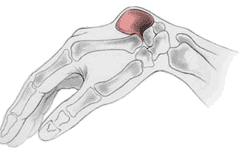 What are they?
• Ganglion cysts are lumps within the hand or wrist.
• They are usually located next to a joint or a tendon.
• The most common locations are the base of the finger, the top of the end joint of the finger, the palm side of the wrist and the top of the wrist.
• Inside the cyst is a clear, thick, jelly-like material.
• The cyst may feel firm or spongy, depending on its size.
• Ganglion cysts are more common in women.
• The majority occur in people between the ages of 20-40.
The cause of ganglion cysts is a mystery but it is theorized that:
• Trauma may cause the tissue of the joint to break down forming small cysts which then join to form a larger cyst, or
• A flaw in the joint capsule or tendon covering allows the joint tissue to bulge.
It is difficult to know how to prevent ganglion cysts, however early evaluation and treatment are recommended.
• Ganglion cysts may change size or disappear completely.
• They may or may not be painful.
• Many are without symptoms except for their appearance.
• If they are painful, however, the pain is usually a nonstop aching which is made worse by movement of the joint.
• They are not cancerous and will not spread to other areas of the body.
• If the cyst is connected to a tendon, there may be a feeling of weakness in the affected finger.
What to do?
• Treatment is often non-surgical.
• The cyst can simply be observed, especially if it is painless.
• If the cyst becomes painful or limits activity, there are treatment options available:
• Anti-inflammatory medication may be prescribed for pain.
• An aspiration may be performed to remove the fluid from the cyst.
• This requires placing a needle into the cyst.
• Aspiration is a simple procedure but recurrence of the cyst is common.
• Surgical alternatives are available which are generally successful.
Dr. Kimmel specializes in the treatment of ganglion cysts. Call for a consultation today!
Adolescence. Definitely a trying time – filled with insecurities, frustrations and worries about being accepted and fitting in.
Each teenager is unique…each affected differently with the challenges adolescence brings.
Fact: Along with total body changes and crazy hormonal invasions, adolescence brings facial changes.
 Rhinoplasty surgery, or getting a “nose job,” is very personalized, and one of the most demanding and complex of all cosmetic surgery procedures, especially for teens. It can make a big difference in how a young person looks and subsequently, how they feel about themselves. It can be a self-esteem game changer.
A note of caution: Surgical procedures on the teenage nose before its growth has stabilized may result in un-wanted nasal changes and a disruption of facial growth. Therefore, timing is critical.
If you are a teen considering rhinoplasty surgery, it is important to discuss it with your parents. If everyone agrees that rhinoplasty is the best option, consult with a board-certified plastic surgeon, such as Dr. Kimmel, who will discuss the procedure with you, answer your questions and determine if you would be a good candidate for rhinoplasty surgery.
Call us for a consultation, today!