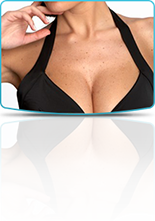
 Breast shape is comprised of several nuanced factors. We pay a lot of attention to size as a general guide of nice-looking breasts. However, we shouldn’t view size as the primary factor in having beautiful breasts. Without ideal perkiness, size could become detrimental to appearance. Here, we discuss why breasts may sag over time and what you might do to help yourself out in the breast department.
Breast tissue is fatty, glandular, and connective. Three different layers of tissue all contribute to contouring. The layer of connective tissue is related to shape and perkiness, as it contains “the cooper’s ligaments.” These suspensory ligaments are threads that form a matrix that suspends, lifts, breast tissue. With age, these ligaments can stretch and weaken. In addition to changes in connective tissue, we also experience changes in the firmness and thickness of the skin. Without a lot of collagen, elastin, and hyaluronic acid, the skin also loses resiliency.
We know the biological factors of drooping breasts, but what about the factors that relate to them? Some of the most common reasons that breasts lose their perkiness include:
It is impossible to prevent breast sag. It happens to every woman at some point. However, it may be possible to reduce the severity of the problem with the following:
Sagging breasts are a problem for many women, regardless of breast size or age. The ultimate solution? A breast lift! If you would like to learn more about this procedure, contact our Pottsville or Hazleton office to arrange a consultation.
 In our Hazleton and Pottsville offices, we frequently consult with men and women about their body contouring goals. Liposuction is often a topic of interest because, let’s face it, many of us have an area where we can pinch an inch or more of excess fatty tissue. While liposuction has been a popular procedure for many years and is known for achieving excellent results for the right patients, there is value in also exploring nonsurgical options like Liposonix. We have performed this procedure on many of our patients and are pleased to say that it has proven itself effective.
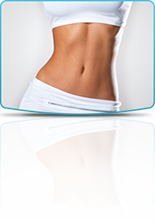
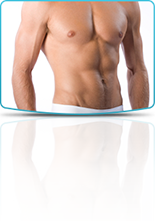
Adults have many options in nonsurgical body contouring these days. We have carefully selected treatment options because we know that results matter. LipoSonix is a nonsurgical treatment platform that destroys fat cells using focused ultrasound waves. This technology allows us to selectively reduce fat in areas where contouring often needs the most improvement: the midsection. Abdominal fat has been a common problem that adults have tried to eliminate using a plethora of strategies. The thing about abdominal fat is that some people are genetically predisposed to it. That doesn’t mean that diet and exercise cannot help. It means that even with good eating habits and a healthy, active lifestyle, a small amount of fat may linger. For such situations, LipoSonix nonsurgical fat reduction may be ideal.
If you are one of the millions of people who are struggling with that last 10 to 15 pounds around your midsection, LipoSonix may be an excellent treatment to improve your shape. The treatment takes about one hour and, according to clinical data, can reduce the waistline by up to one inch. That’s about one pant or dress size. During treatment, ultrasound waves permeate superficial tissue without causing harm. Energy is absorbed into subcutaneous fatty tissue, where disruption occurs to cell membranes. The body eliminates the damaged cells through natural lymphatic processing.
LipoSonix is the result of 10 years of research and testing. The device has developed quite a reputation for safe, consistent results as it has been used in Canada, Japan, and Europe for several years. It has been common in the United States since 2011 and continues to be popular today.
As we start to look forward to more outdoor time this summer, many people are contemplating how they can refine their shape after gaining the COVID 15 or 20. LipoSonix may be the solution that feels right for you. To explore this option and compare it to liposuction, schedule a consultation at our Hazleton or Pottsville office.
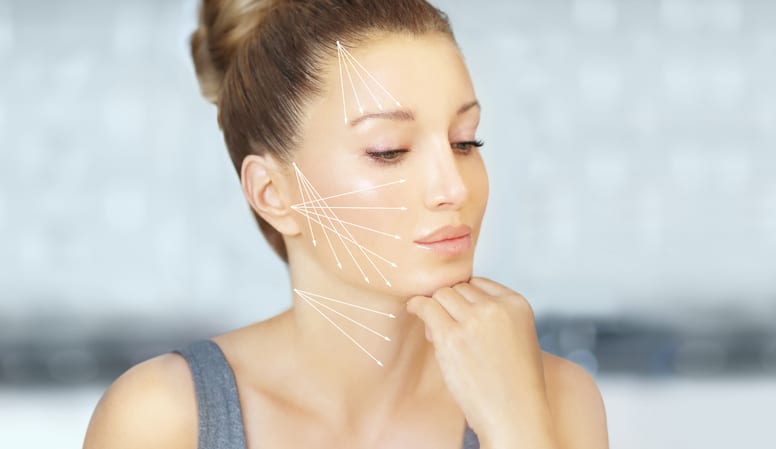 Plastic surgery procedures were on the rise for years before the pandemic that struck early last year. Much to our surprise, the field has thrived throughout the periodic lockdowns and mask mandates. It does not seem as though interest in plastic surgery and other beauty treatments will diminish anytime soon. What has begun to change from previous years is the trends that drive plastic surgery consultations.
For several years, plastic surgery trends revolved around the body. We had the “year of the butt” that lasted quite some time and involved thousands of buttocks augmentation procedures. Body contouring was also a driving trend for many years. Adults underwent liposuction, abdominoplasty, and other lifts and tucks to sculpt their bodies. Last year, we saw a massive shift. While body contouring continues to achieve outstanding results, we’re seeing more interest in facial rejuvenation than we have in years. There are two primary reasons.
One of the big changes that occurred as a result of the novel coronavirus was that many people shifted into a work-from-home situation. Working from home lent more flexibility to daily scheduling. People had time to schedule beauty treatments or plastic surgery because they had more time to recover at home. The work-from-home situation also put people in front of a screen far more often than they were used to. Video conferencing allowed us to see our coworkers, but it also allowed us to see ourselves in real-time, and that led to the identification of beauty goals. Perhaps you’ve made a few of your own in the past year.
As we saw in 2020, we expect trends to remain focused on facial rejuvenation for the remainder of this year, too. Treatments that are commonly sought include:
We have several ways to help you feel your best in 2021. Contact us today to schedule your consultation.
 We all make numerous decisions every day. Because our days are similar from one to the next, most of our decisions are made without really thinking about them. Cream in the coffee, check. Brush teeth before bed, check. We do these things without considering the advantages and disadvantages of our choices every single time. There are situations, however, where that level of contemplation is an absolute must. Having a tummy tuck is one of them. Here, we discuss why your reasons for wanting abdominoplasty matter.
There are several reasons a person may give for wanting to address abdominal laxity. Motivations must be personal for every person, not made to please anyone but the patient. Common healthy reasons for a tummy tuck include the following.
If you’ve had children or have lost weight, you may be left with loose, sagging tissue in your midsection. In your mind’s eye, you can recall when your tummy was flatter and tighter. A tummy tuck is performed to meet your specific needs so that you can look as good as you once did, if not better.
Confidence is not created by our appearance but the two are related. Numerous studies have confirmed this theory. When you have that image in your mind’s eye of what your body used to or could look like, and that image is not what you see in the mirror, you’re bound to have an emotional response. This is only natural. Addressing loose and sagging abdominal tissue rewards you with harmony between how you see yourself and how you see yourself, if you know what we mean. Your self-image is what you will see in the mirror. In addition to looking like your best self and feeling confident about that, your tummy tuck can also expand your clothing options to include more form-fitting fashions without unsightly bulges.
A tummy tuck is not done to help a person lose weight. It is designed for muscle and tissue looseness. The procedure is a great complement to a healthy lifestyle that supports weight management and muscle tone. With healthy habits firmly in place before surgery, patients can enjoy lasting improvements from their abdominoplasty.
Learn more about the benefits of a tummy tuck. Schedule your consultation at our Pottsville or Hazleton office today.
 Men, we get it. You’re not known for wearing your hearts on your sleeves. Feelings are something that most men keep close. When health matters like gynecomastia arise, such uncomfortable feelings may come up that having a conversation about them feels impossible. We have met with many men who took the courageous step to schedule a consultation to discuss male breast enlargement. Our conversations with them have taught us how challenging it is to live with this condition. If you have signs of gynecomastia, enlarged male breasts, we encourage you to stop hiding under large clothes or compression garments, to stop trying to exercise your chest into shape, and to call our office today.
There is a common misconception about gynecomastia that it may somehow be a man’s fault. This is untrue. Men who have enlarged breasts do not get that way because they are overweight. They get that way for reasons outside of their control. Related to weight or not, gynecomastia has a genetic component. Scientists believe that the problem could have something to do with a man having too much estrogen compared to testosterone. This hormonal imbalance creates susceptibility to breast overgrowth.
More information has become available in recent years, leading to greater understanding as well as more confusion than is necessary. Because gynecomastia has ties to hormones, some companies have developed supplements that claim to eradicate the excess tissue. This can be a potentially dangerous approach. While gynecomastia surgery is, well, surgery, it is also the most direct and reliable way of addressing this condition.
Gynecomastia surgery is a personalized procedure that is designed around each patient’s unique anatomy and the severity of overgrowth. In some cases, liposuction is an appropriate approach. However, some men need breast gland removal. Some need surgical skin-tightening. Ultimately, a plastic surgeon develops procedures to achieve outstanding, lasting results that free a man to live his most confident life.
If you or someone you love is living with gynecomastia, there is no need to suffer in silence. Let’s have a conversation that could change your life for the better! Contact our Pottsville or Hazleton office to schedule a consultation.
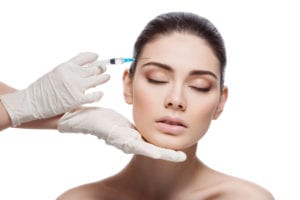 The vast majority of cosmetic treatments performed today involve injectables. Most injectable treatments are intended for wrinkle-reduction. Botox, perhaps the most well-known injectable, reduces wrinkles that are caused by muscle movements in the upper-face region. Dermal fillers like Juvéderm reduce wrinkles and other problems caused by a loss of volume in the deeper tissues of the skin. And then there is Sculptra. This product sits in a class of its own. The problem is no unique class has been established, so Sculptra is bulked with all other dermal fillers. Here, we compare how two popular products, Juvéderm and Sculptra, compare.
Juvéderm is referred to as a dermal filler, which is correct. However, we must clarify that there is not a single Juvéderm product; it’s an entire line of hyaluronic acid dermal fillers under one brand name. All Juvéderm fillers are made of the same base ingredient. Hyaluronic acid is a naturally-occurring chemical that the body uses to lock in moisture in important structures, including the joints, eyes, and skin. As a dermal filler, hyaluronic acid traps water molecules in a target area. The addition of water plumps the skin to eradicate lines and creases or build volume to rejuvenate facial contours. Juvéderm products are used to plump the lips, reduce nasolabial folds, augment the cheeks, eliminate undereye bags, and more. Results are immediate and can last from a few months to 2 years.
We call Sculptra a dermal filler but it does not act like other fillers. When a person receives Sculptra, they do not see immediate results. That’s not the intent. Rather than immediately fill lines and wrinkles, Sculptra is administered to stimulate collagen production. Collagen is the protein that supports tissue firmness and suppleness. The decline in collagen can result in gaunt or hollow areas. Common uses of Sculptra include volume restoration in the temple and cheek areas. This restoration occurs gradually, so no one knows you’ve had injectables. While a series of 2 to 3 Sculptra sessions are scheduled to achieve optimal results, studies suggest that benefits can last two or more years.
There is no “perfect” dermal filler. This is why we have so many options. Within those, we can find the perfect injectable for you. Call our Hazleton or Pottsville office today to schedule your consultation and treatment.
 Plastic surgery offers huge rewards that can last a lifetime. Still, it’s a big deal to schedule plastic surgery. Most of our patients feel at least a little concerned about their recovery. There is a tendency to overestimate how much pain will be felt after surgery. Fortunately, most who do report that their experience was not nearly as bad as they had imagined. The thing about plastic surgery recovery is that you just need to be prepared. Here, we discuss a few must-haves that don’t get enough attention.
Part of the surgical process is to inform a patient about how to prepare for surgery and how to recover well from surgery. This comes in the form of pre- and post-surgical care instructions. One of the details of post-operative care that can get glossed-over is the need for help. Help with what? Possibly everything. Depending on the procedure, you may need someone to make sure you take your pain medication on time. You may need help to and from the bathroom. Someone may need to do the cooking, the cleaning, the caring for children and pets. We’ve treated enough people to know that this can be a difficult part of the recovery process. And still, it is necessary. Accept the help. Arrange the help. Know that it is only temporary.
Most people who have surgery know they will need prescription pain medication. They know they need to fill their prescription before the day of surgery so they do not meet with unexpected pain. There’s more in terms of remedies as it relates to pain. One is that you need ice. Don’t get just one ice pack or bag of peas. Get two. That way, one will always be ready for use. Another remedy relates to pain medication more than the pain itself. This is the remedy that will help you avoid constipation. When you take prescription pain medication, you may become constipated. As you may know, this side effect can be frustrating and uncomfortable. Two remedies could be helpful. One is fiber, the other is magnesium citrate. When taken daily, either of these remedies may reduce constipation.
Having plastic surgery should be more exciting than nerve-wracking. To schedule a consultation, contact our Pottsville or Hazleton office.
 Shapewear has become a common way to manage unwanted bulges and bumps. These are frustrating problems that many people live with, which is exactly why we have various compression garments like Spanx® to help smooth and refine the silhouette. These items allow people to feel better in that little black dress or slim slacks. However, they can also become uncomfortable after a while. If you’ve been relying on shapewear and are ready for a change, now may be your ideal time for liposuction.
Shapewear has lost its appeal.
Shapewear may be a great idea for temporary contouring. Compression can work splendidly for holding in bulges or hiding cellulite that may show in that special outfit. The thing about shapewear, though, is that it only works in certain areas. They happen to be the most common areas, such as the tummy, hips, buttocks, and thighs. As good as shapewear may work for the occasional event or night out, it may not be something you want to wear every day. As you may know, it isn’t exactly easy to squish excess fat into garments that fit tightly!
With liposuction, you wear what you want because your body is always ready. No more wiggling into and out of uncomfortable compression shapewear.
You want something more long-term.
While shapewear can give you the contours you want for a night, liposuction can give you that shape for years. The procedure is performed using a local anesthetic in most cases. To sculpt the body, the surgeon uses a small cannula, a hollow tube attached to a medical device that suctions fat cells into a reservoir. The tube extracts lines of fat cells, and surrounding cells fall into the space to create a smooth, natural result. Fat cells do not grow back so, with a healthy lifestyle, the slimming effects of liposuction can last a very long time.
You want to love the skin you’re in.
Wearing Spanx, you might feel great in the little black dress you wear to that holiday dinner party. When you get home, though, you see something different in the mirror. Shapewear is a lovely illusion for special occasions, but it may not meet your true desire to feel great no matter what you wear. Liposuction does not conceal the problem of extra fatty deposits, it eliminates it! So, no matter what you’re wearing, or if you’re wearing nothing at all, you feel great in your own skin.
We are pleased to perform liposuction for patients in the Hazleton and Pottsville areas. For your consultation, contact an office near you today.
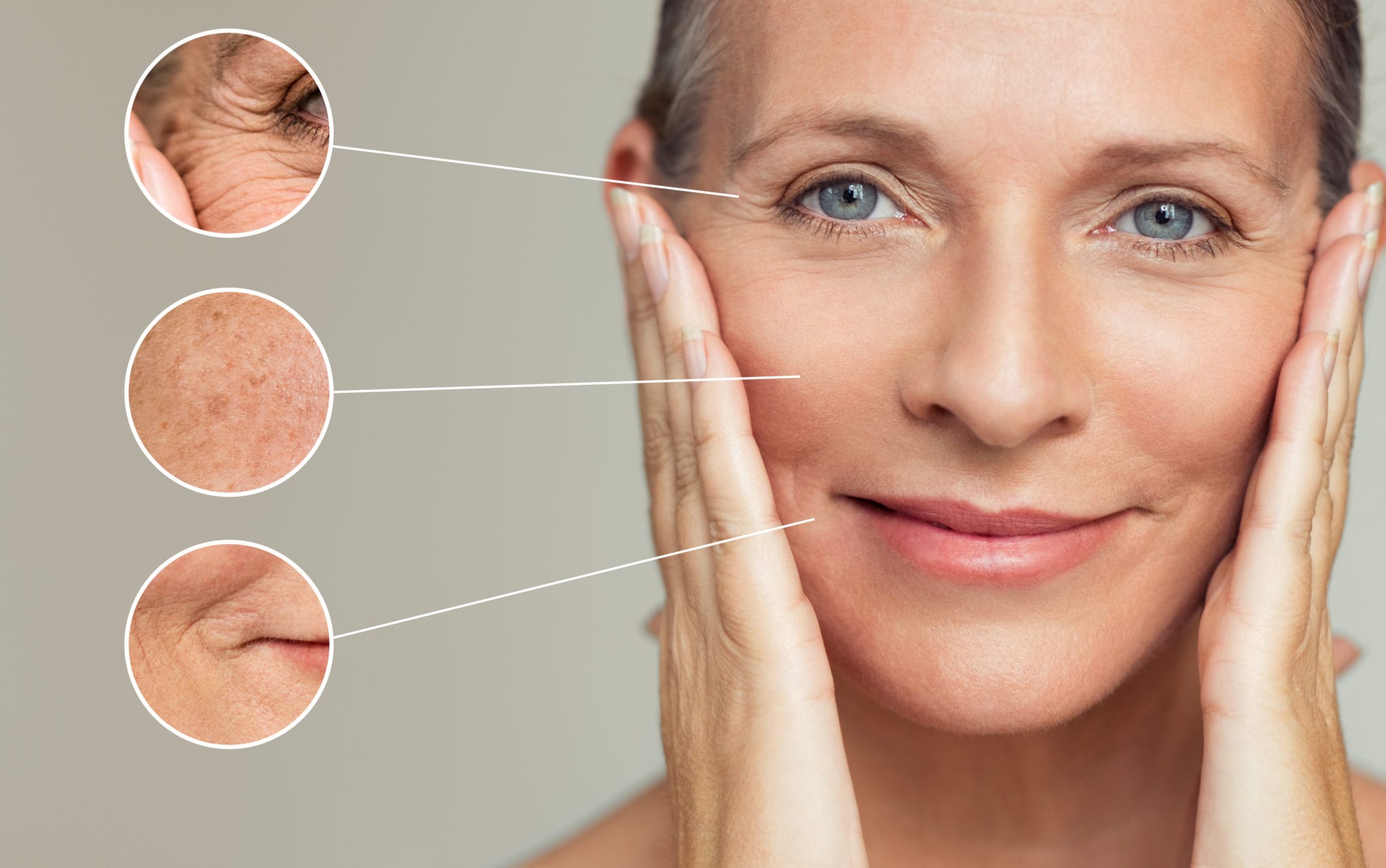 Botox Cosmetic has been around for well over a decade. Millions of treatments have been performed by this time. And yet, we must remember that there are people who are new to injectables. If you are thinking about getting Botox to reduce the signs of aging on your face or neck, we imagine you would like to know what to expect when you arrive at the office. Here, we walk you through the process of getting Botox for the first time.
When people become concerned about lines and creases becoming obvious, they often think of Botox as the ideal solution. This is because this FDA-approved drug is pretty much a household name at this point. The first thing to recognize is what it is used for. Botox treatment can help you if you have frown lines, crow’s feet, forehead lines, a lowered brow line, or horizontal lines on your neck. These are the most common uses of Botox.
Your first Botox treatment does not begin with injections, it begins with a conversation. Injectable treatments like Botox and dermal fillers are customized to each individual. So, before we can plan your treatment, we need to know a few things. We need to know what you want to accomplish, first, and we need to assess where you’re at. A brief look at your skin can give us the information we need to know to plan the right treatment for you. Sometimes, dermal fillers are a better approach. Sometimes, a combination that includes Botox and dermal fillers is best. Your provider will explain their recommendation and answer any questions you have.
Botox injections can be given right after your consultation. Your provider will cleanse the skin in the area where injections will be given and will then use a small needle to administer treatment. No anesthetic is needed for injectable treatments. The needle is so small that you should feel only a minor pinch. You don’t feel the liquid entering the skin or getting absorbed. The entire process usually takes 15 minutes or less.
Being new to injectable treatment, you may want to plan to go home after your appointment. The side effects of Botox are typically limited to minor swelling and pinpoint redness. These fade very quickly. This is why injectables are thought-of as lunchtime treatments. Once you know how your body responds to treatment, you can schedule future visits as they suit you. Some people who get Botox notice a mild headache that lasts a few hours. Some feel a little achy like they would if they had the flu. These are normal side effects, though less common.
Your rejuvenating results appear gradually after your Botox treatment. In about one week, you should see the peak effects of your wrinkle-reduction. From there, these effects will gradually fade after 3 to 6 months. You may schedule touch-ups as often as every 12 weeks.
Schedule your Botox consultation now! Call our Hazleton or Pottsville office.
 Plastic surgery procedures have become somewhat of the norm in countries all around the world. Various techniques provide adults with the opportunity to feel more confident in their appearance. Some procedures enhance the body while others correct the signs of aging. Regardless of the type of procedure a person has, they are often interested in knowing what their recovery will be like. Usually, the primary questions revolve around how much pain they will be in and how they can manage it. Because plastic surgery offers significant rewards, patients rarely wonder how they will feel emotionally after having their desired procedure. The fact is, plastic surgery can affect emotions, so we need to talk about this aspect of recovery, too. We’ll do that here.
It doesn’t seem logical to have the blues after undergoing an elective procedure. After all, most patients spend months if not years looking forward to looking better! There are several reasons why the blues may pop up out of nowhere in the first days of recovery. The primary issue that seems to arise is frustration about results. Bruising and swelling are common side effects of surgery. When these don’t go away as quickly as a patient would like, they can feel like they are not healing properly and wind up feeling down. Surgery is also very fatiguing. Patients may feel relatively comfortable and able to resume some of their normal activities but they become easily tired. This can also lead to sadness. The list goes on: feeling unable to take care of others as they normally do, not being able to work or socialize for a few weeks, feeling bored or unproductive; these are all feelings that can result in the blues. Also, they are all normal.
In the end, the majority of people who have plastic surgery are glad they did. We think the process can be pleasant from start to finish! To schedule your consultation for a face or body procedure, contact us in Pottsville or Hazleton.
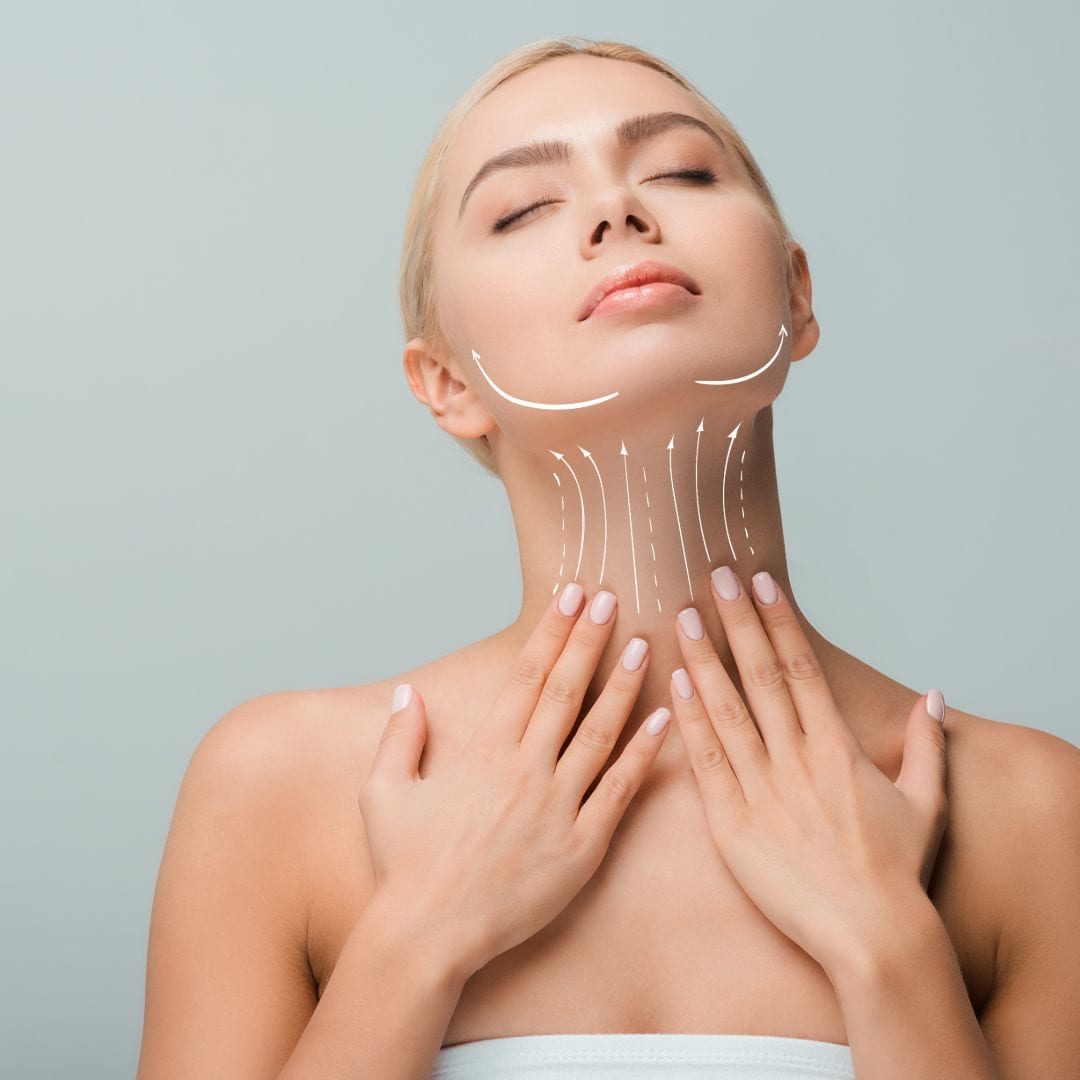 The signs of aging are inevitable but something we try to avoid as much as possible. Usually, when we notice them, we’re looking at the face. The skin around the eyes gets thin and develops fine lines. Creases form around the nose and mouth. These are problems that can be addressed with injectables, plastic surgery, or other modalities. But they aren’t the only problems that occur with age. Look a little farther South and you may notice that your neck has also changed quite a bit. If you focus only on the face when planning rejuvenating treatments, you miss an opportunity to achieve optimal improvements. Here, we discuss how a neck lift works and how to know if you may be a candidate for this procedure.
The neck lift procedure reduces excess sagging skin that has become thin and crepey. Sometimes, the neck also develops a little excess fatty tissue, making it look like a “turkey neck.” During a neck lift, liposuction may be done to remove the moderate layer of fat beneath the skin. The skin is then pulled upward to reveal younger-looking contouring and angles along the jawline. The surgeon trims the excess skin so these angles become the new norm. Neck lift surgery is minimally-invasive, performed through small, discreet incisions. It is sometimes combined with facelift surgery or other procedures.
Historically, plastic surgery has been perceived as more popular among women. This is no longer an accurate portrayal. Neck lift surgery is very popular among men whose skin and tissue have become loose and saggy. Men with extra fat and skin in the neck area often complain that dress shirts are uncomfortable and tight around the neck. Either that or they feel self-conscious about the way excess skin sits along the rim of the neckline. The neck lift procedure offers significant benefits for men and women of all ages who are troubled by a lack of firmness and contouring in this area.
If your neck is one of the first places your eyes go when you look in the mirror, you may be a good candidate for a neck lift. The best way to determine your path to a better you is to consult with an experienced, board-certified plastic surgeon. Contact our Pottsville or Hazleton office to schedule a visit with us.
 Regardless of your age and overall cosmetic goals, it’s nice to have soft, glowing skin. You may accept the changes that age causes, such as lines and wrinkles, and have no plans to correct these changes with plastic surgery. However, there are ways that you can keep your skin more resilient and youthful. One of the ways we help our patients do this is through microneedling. This service is available in our Pottsville office and can do wonders for the skin. Here, we discuss what you need to know.
Microneedling is a minimally-invasive form of skin rejuvenation. It can be performed on any part of the body that needs tissue regeneration. The most common treatment area is the face. We call microneedling minimally-invasive because the technique does create what are called “micro-injuries” in the upper layers of the skin. This is achieved using an automated device that quickly “stamps” the skin with several tiny needles at once.
The purpose of microneedling is to make tiny channels in the skin that the body will then want to heal. The channels close very quickly. However, the body is stimulated to create more collagen and elastin in the area that has been treated. Collagen is the protein that heals wounds, scars, and discoloration. Collagen also provides a firm foundation for the skin. Elastin is what gives the skin bounce. It helps the skin bounce back when stretched. Together, these are powerful chemicals that support resilient, youthful skin.
Microneedling is beneficial for several reasons, including:
You deserve to have skin that looks and feels healthy. For more information or to schedule your microneedling treatment, call our Pottsville office at 570.622.2900.
 Breast augmentation has been a leading plastic surgery procedure for many years. Still, some questions need to be answered. One that continually comes up during consultation visits, and one that is often typed into Google search, is “are breast implants safe?” We’ll discuss that here, so that you may make the most informed decision about whether or not breast augmentation is right for you.
Researchers have spent years conducting thorough research on breast implants. One area of interest is whether or not breast implants can cause cancer in the ductal or lobular breast tissue. Case studies have provided concrete evidence to refute this. Breast implants do not cause breast cancer. However, women with breast implants can get cancer just like women without them can. If you choose to get breast implants, it is necessary to continue having normal mammograms or ultrasounds as recommended by your primary care physician.
Breast implants do not cause cancer. However, can they make it more difficult to spot breast cancer? There are differing opinions about this. Some say that, because breast tissue is spread out over implants, it is easier to feel small nodules. Some say that, if a nodule were to develop behind the implant or at its edge, it would be more difficult to feel. What is most important to this topic is survival rate, and that’s where we see definitive good news. Studies have shown that breast cancer survival rates are comparable across the board.
Breast implant associated anaplastic large cell lymphoma is a type of non-Hodgkin’s lymphoma. It affects T-cells that are part of the body’s immune system. The risk of developing this disease is very low. It is estimated that BIA-ALCL occurs in 33 out of 1 million patients. This complication also seems to coincide with a seroma formation. A seroma is an accumulation of fluid around the breast implant. It is more commonly associated with textured breast implants. The majority of breast augmentations performed involve smooth implants that are much less likely to lead to fluid buildup.
Breast augmentation can be a beneficial procedure that helps you feel like your best self. To learn more, schedule a consultation in our Hazleton or Pottsville office.
 As exciting as it is to schedule a breast procedure, there is also a necessity to understand the risks that exist. Fortunately, it is uncommon for serious complications to occur from procedures like breast augmentation. When you take your time to choose a board-certified plastic surgeon who has performed your selected procedure, your chances of avoiding unnecessary stress are quite good. However, because there is a chance that revision breast surgery may be needed, we mustn’t shy away from discussing how to know if revision is needed. Here, we discuss some of the conditions that lead patients back to their plastic surgeon.
Revision breast surgery isn’t a bad thing. There are several benefits to be gained by repeating breast augmentation. These include:
Breast augmentation is a big deal. We can help you get results that look like you, only better. To schedule a consultation, contact our Hazleton or Pottsville office.
 The signs of aging can be a frustrating fact of life. For some, the gradual changes that take place are only mildly concerning. As we can see by observing statistics in plastic surgery and injectables, most people want some sense of control over how they age. One of the questions that gets asked over and over again is “should I get a facelift?” If you’re asking that, know that you are the only one who can answer it. However, you don’t have to make your decision without assistance. Here, we discuss two ways you can move closer to definite resolve about the timing of a facelift.
“I don’t look like myself anymore.”
When you look in the mirror, you think this to yourself? Maybe the lines and wrinkles around your eyes, nose, and mouth have become familiar and you hardly notice them anymore. What you see now, though, is a face that doesn’t look like it used to. This happens to many people and it relates to a combination of factors. With age, the skin becomes depleted of collagen because it is not making enough to replace what grows old and weak. This changes the firmness and elasticity of the skin, so it sags. The fat pads in the mid-face also deteriorate, causing the face to become less contoured and interesting. The jawline gets loose and saggy, too. So while you may see glimpses of yourself in your eyes, your face may be a different shape than it once was. A facelift can correct this, making you look about ten years younger by doing so.
In recent years, injectables have all-but taken over the game of facial rejuvenation. There are several benefits gained by using products like Botox and dermal fillers to reduce the signs of aging. At the same time, it is important to know how they work and what their limitations are. The more volume that the face loses, the more difficult it is to restore it with injectables without making it look puffy and unnatural. Some people finally schedule their facelift when they find that they are needing more frequent injections or more units of product to maintain their results. In this case, a facelift resets the baseline. Surgery may not eliminate the benefits of future injectables but it certainly increases the success of such treatment.
Facelift surgery is popular because it achieves long-lasting results that make people look and feel like themselves again. If you’d like to feel this way, too, contact our Hazleton or Pottsville office to arrange your consultation.